

What a replacement has to do
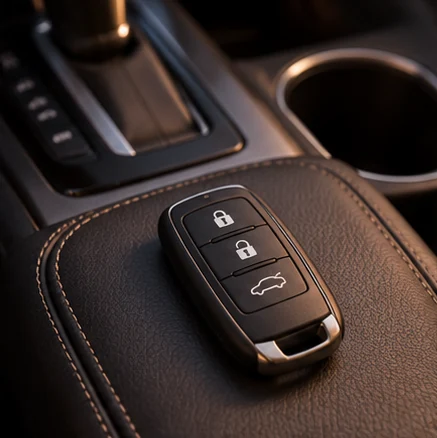
A traditional key may have a metal blade for the door and ignition. A transponder key can add a chip that the car must recognize to start. A remote-head key puts remote buttons and a blade in the same piece. A proximity fob usually combines an electronic credential with buttons and may include a small emergency blade inside. The type depends on the vehicle and configuration, and the package you buy may include some components without the others.
Describe what you expect from the finished key. A spare might only need to open the driver door and start the car. Someone else in the household may rely on buttons for the trunk or the normal hands-free controls. A shell cracked at the ring can be mainly a housing problem if the electronics still work. If the chip or remote has stopped responding, say what happened before it failed. A good description of the functions still working lets us discuss the part and work separately.
Compare the quote with the key you actually use
A replacement with the same number of buttons may still serve a different trim or electronic system. Keep the seller's return information if you plan to bring a part. If a vehicle has separate remote and ignition functions, write down what you want each component to do and ask how those functions will be tested. When a vehicle is shared, confirm that any keys a second driver needs will be available for comparison or follow-up.
Have a plan if a key turns up after the work starts. On some vehicles you may need to confirm its authorization again if programming changed access. Ask which keys can still be used and which physical keys can open a door. Store the invoice and part number separately from the everyday key. If the car is a work vehicle, use the same vehicle identifier on the handoff and the records. That can make the next request easier without passing around information about who has access.
Make a spare while you have a reference
A working key gives us something to compare and a way to check how the vehicle is set up. Bring the keys you intend to keep using. If they differ, identify the one that starts the vehicle and the one that is only a backup for the door. Some owners inherit a mechanical insert or an older remote with the car and discover later that only one of them starts it. Note which features the new spare is meant to replace and which are secondary.
Choose a place for the spare that another authorized driver can reach when needed. The same ring or bag as the everyday key usually creates the same loss problem. If more than one household member drives the vehicle, agree who keeps which key and try them separately at the handoff. A note with the part information and a record of which buttons were tested can be useful if you request another replacement after the existing key is worn or damaged.
An all-keys-lost call starts with location and authority
If every key is gone, be ready to confirm you can approve the job for the vehicle. Tell us if the car is in a Downtown deck, a covered residential level near the university or a driveway. Share the actual entrance, parking level and nearest post as well as the street address. If you can no longer reach the vehicle or a gate requires permission, let us know. For a fleet or rental, check the owner or provider's process and have the right person available before the visit.
An old key that disappeared with a bag, ID or address could still be in someone else's hands. Explain your concern before programming begins and ask whether the vehicle allows a change to registered credentials. A physical blade and a starting credential are separate functions. Ask what the work would change and which access would remain. If the ignition was changed in the past, tell us whether the old key worked in both the door and the ignition so we can discuss what needs to be matched now.
Check a fob before paying for it
Cases can look alike while the electronics belong to different production ranges or vehicle configurations. If you are comparing a listing with your old fob, look for the full part number and button layout. Ask whether the part is new, already paired to another vehicle, rebuilt or an empty shell. The return policy matters if compatibility is uncertain. Tell us about an aftermarket remote start or any prior ignition work that might change the original setup.
Ask what a quote includes before ordering a part. Cutting a blade, programming a compatible fob and supplying the fob can be quoted as separate work. If you already own the part, we can discuss what information is available to assess it before a visit. For a key that only has a damaged shell, keep the pieces together so the housing, insert and electronics can be identified. A photo of the label can save a round of questions, especially if you are meeting us with a car late in a managed parking property.
Try the new key at the vehicle
When a new key is ready, confirm how the door opens and how the vehicle starts. Test the buttons you agreed to have working and any emergency blade included in the job. For a push-button car, keep the other fobs away during the test so you can tell which one the vehicle detects. If an original or spare is meant to remain active, try that key too. Tell us if you need the working key for a second authorized driver or if a fleet administrator needs a record for the handoff.
A test is also a chance to catch a different problem. If the new and old keys both bind in the same door cylinder, a separate mechanical issue may be present. If a remote button works while the engine will not start, tell us before accepting a job intended to restore both functions. Share the vehicle details and how many keys remain when you call. We can then talk through a replacement that reflects the vehicle and how you use it around Austin.
Common questions
Is key fob programming included in every replacement?
It depends on the key and the scope being quoted. Ask separately about parts, cutting, programming and the visit.
Can I tell whether a fob fits just by the picture?
Use the part number, button layout and your vehicle information. Look-alike housings can contain different electronics.
Should I bring every working key?
Bring the keys you intend to keep using when practical. Tell us what each key does so the final tests cover the right functions.